
Divorce Procedure in India.
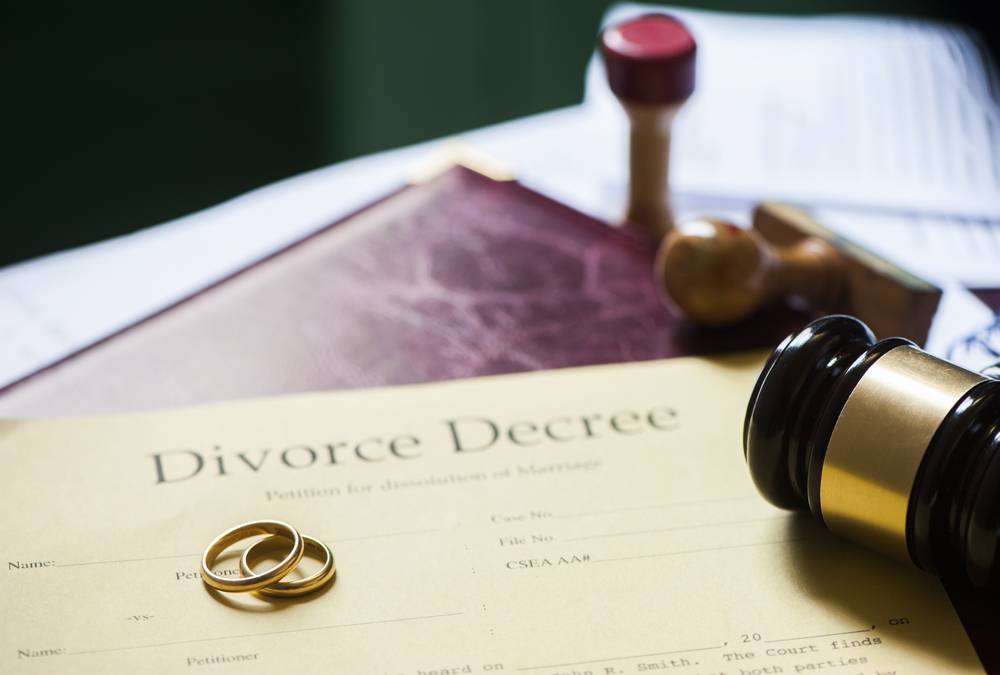
“Divorce, an official termination of marriage, it is initiated by filing a legal petition in the Family Court. When the court passes the divorce decree, it marks the conclusion of the marital union, thereby releasing both spouses from their matrimonial duties. Divorce process also includes the distribution of assets and property, as well as the determination of child custody. Keep in mind Separation and Divorce are two different process. In India, Divorce procedures and laws vary with each religion.
Types of Divorce
Divorce in India, particularly under Hindu law, can be categorised into two primary types:
- Mutual Divorce: Governed by Section 13-B of the Hindu Marriage Act, is a process in which both parties, namely the husband and wife, voluntarily and amicably agree to separate. This form of divorce entails the prior resolution of issues concerning alimony and child custody, if applicable. To qualify for mutual divorce, two key prerequisites are essential: mutual consent and a mandatory period of living separately for a minimum of one year.
- Contested Divorce: Contested divorce, on the other hand, is initiated by either spouse and is regulated by Section 13 of the Hindu Marriage Act, 1955. Grounds for divorce varies for both but this type of divorce is filed on specific grounds, including cruelty, religious conversion, mental incapacity, the presence of a communicable disease, or when one spouse remains untraceable for a period exceeding seven years.
Procedure for Mutual Divorce in India
Step 1: Draft a petition with the help of a divorce lawyer , outlining the reason for divorce, with both parties’ mutual agreement.
Step 2: File the joint petition with the assistance of respective lawyers in the family court.
Step 3: The court reviews the petition and accompanying documents, then schedules a statement on oath.
Step 4: A cooling-off period of six months is mandated, allowing the parties an opportunity for reconciliation.
Step 5: After six months, in the absence of reconciliation, both parties must attend the final hearing (usually within 18 months of filing the divorce petition).
Step 6: During the final hearing, the court issues the divorce decree, officially dissolving the marriage.
Procedure for Contested Divorce in India
Step 1: Begin by drafting a petition that clearly outlines the facts and reasons for seeking divorce. This comprehensive petition, accompanied by relevant affidavits, vakalatnama (a lawyer’s authorization document), and supporting documents, is submitted to a family court with jurisdiction.
Step 2: Upon a thorough review of the submitted petition, if the court decides to proceed, it issues a notice or summons to the other party. The other party is required to appear on a designated date, along with their legal representative.
Step 3: At this juncture, the court may recommend mediation as an initial attempt to resolve the issues. If mediation proves unsuccessful, the court proceeds with the divorce proceedings.
Step 4: On a specified date, both parties appear before the court. They record their statements, present evidence, undergo cross-examination, and may call witnesses if necessary. Legal representatives from both sides present their final arguments.
Step 5: Ultimately, the court delivers its verdict and issues a divorce decree on a predetermined date. In case of dissatisfaction, the aggrieved party can file an appeal within three months from the date of the order.
Documents you need to File for Divorce
Depending on the type of Divorce, The court may ask for :
- Address proof of Husband and wife
- Certificate of marriage
- Photographs of marriage
- Invitation of marriage
- Four passport size photographs of marriage of husband and wife
- Particulars as to property and other assets owned by the people
- Other documents too may be needed, depending on facts and circumstances of the case
Get a Consultation on Divorce with Legallyfit !
- Reliable professional Lawyers
- Easy consultation process
- Trusted by 1000+ clients
- Privacy and confidentiality ensured.